
Central bank digital currency for democratizing decentralized economy.
This article covers a success story with blockchain usecase for decentralized economy. Central bank issued currency tokens are available for public use at merchant outlets that accept them. Retail transactions at the last mile are supported. Low cost of transaction is a reality with native encryption in blockchain network.
Blockchain was invented as an innovation in decentralized finance. Many different implementations for network of transaction blocks have evolved. Most resilient networks have proven themselves in the test of time. Blockchain networks have become synonymous with cryptocurrencies. However, most public cryptocurrencies are unregulated by financial authorities. Central bank digital currency (CBDC) is issued by financial regulators in permissioned network. Reserve Bank of India (RBI) has been guiding the evolution and adoption of CBDC within its jurisdiction by involving National Payments Corporation of India, Banks, Information Technology industry and Startups.
People are used to cash and digital payments. They are increasingly adopting innovative payment channels. Technological obsolescence cause outages in complex payment channels. Merchants are accepting multiple modes of payment. Transaction cost varies based on payment channel. Absence of network coverage causes people to resort to cash transactions.
CBDC has blockchain technology as a foundation with qualities of resilience and security. Hence, cost of transactions is reduced. Tolerable transaction times can have zero network fee. Merchants can factor in reasonable network fees for faster transactions in their pricing for products and services. Payment reconciliations are reduced due to consensus amongst banking nodes./p>
CBDC in retail usecase is expected to provide ease of acceptability and privacy as cash. For high value business, transactions can be made traceable. RBI encourages interoperability between different ecosystems. Several explorations have been conducted where solution participants demonstrated blockchain technologies like Ethereum, Hyperledger, Corda etc.Overlapping scenarios with CBDC is illustrated with Figure 1. Most acceptable uses of CBDC are with retail and wholesale usecases across the world. Retail transactions of CBDC are usually between merchant and public. Wholesale transactions in CBDC have found uses in business settlements.
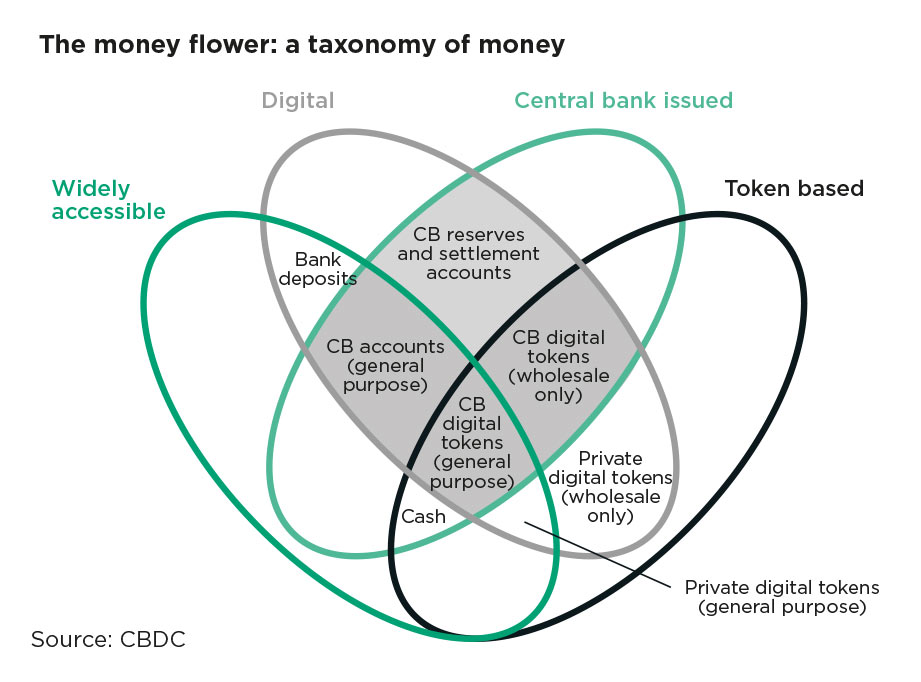
Figure 1. Central bank digital currency flower.
Issuance of CBDC by financial regulator and intermediation by banks to provide it to wallets of consumers is depicted with a block diagram in Figure 2.
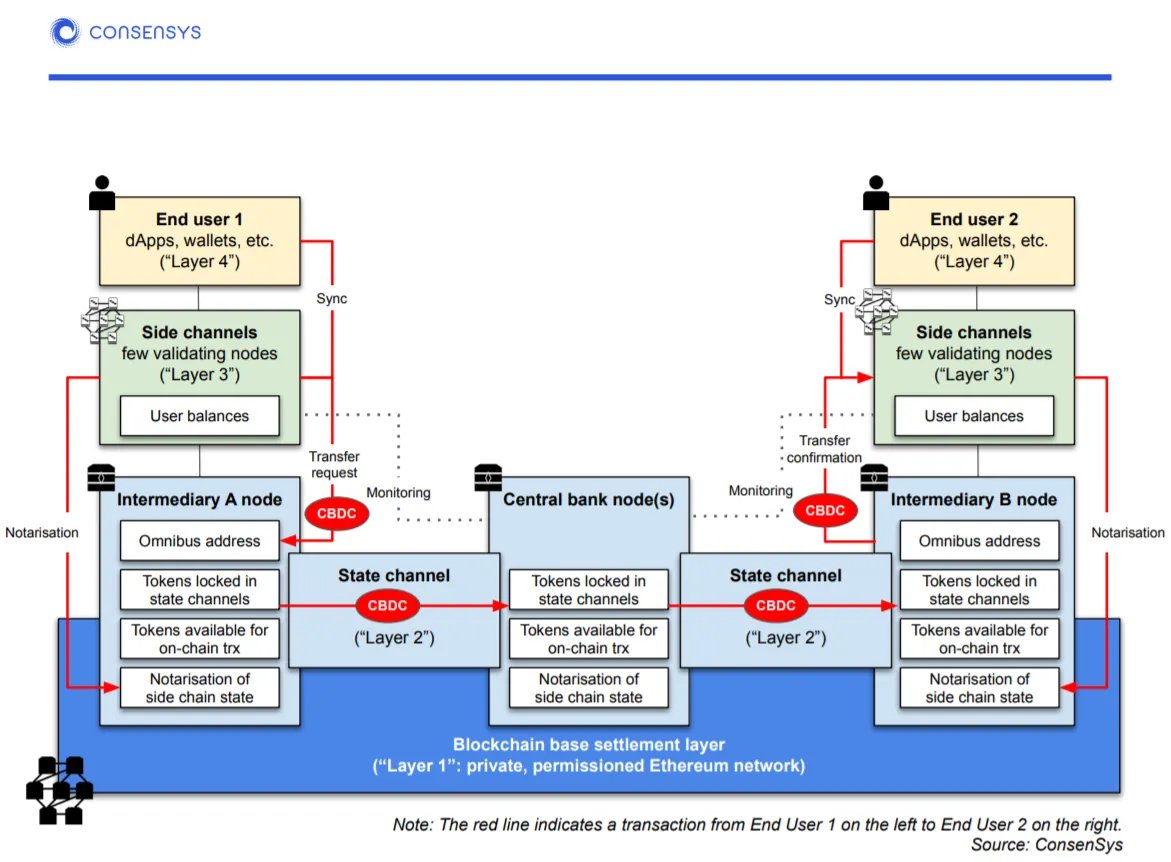
Figure 2. Schematic of blockchain nodes with respective roles to support transactions with central bank digital currency.
Elliptical Curve Digital Signature Algorithm is used for symmetric encryption in Ethereum technology for blockchain. Owners of private key can sign a transaction in blockchain. Their public key is used to verify transaction in blockchain. Safe custody of private key is important to retain access to wallets.
Interoperability with different blockchain technologies is achieved with bridge implementations. Such bridges facilitate conversion of native currency of a blockchain into another by coordinating mutual reserves of currency. Configured number of designated nodes reach consensus about pooled transactions to create blocks in a network chain.
Standard specifications exist for smart contracts with widely applicable use cases for fungibility of tokens, issuance and burn. Such specifications are reviewed or formulated with public opinion moderated by experts internationally.
As mentioned earlier, CBDC applications are primarily with retail and wholesale scenarios.
Nodes need to be aware of participants in an Internet Protocol (IP) network. However, the blockchain can function without internet in a private configuration. Roles of nodes comprise of execution, consensus and validation.
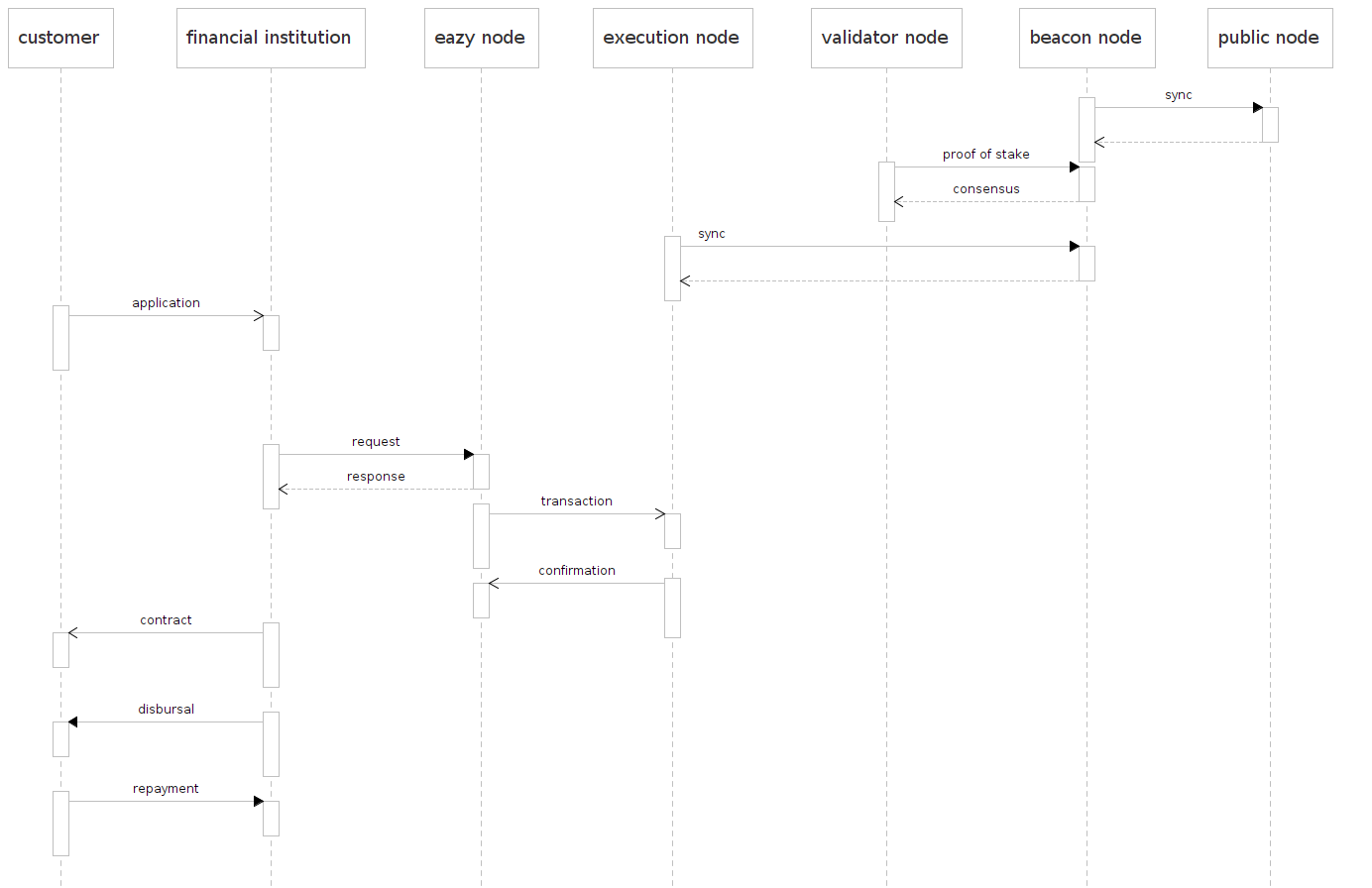
Sequence diagram of interactions in blockchain with wallets and nodes.
Smartphone app prototype for payments using CBDC.
Concept Note on Central Bank Digital Currency.